

Search engines are undergoing their biggest transformation in over two decades. Traditional search results—a list of ten blue links—are increasingly being supplemented or replaced by real-time AI summaries, such as Google AI Overviews, Perplexity, and ChatGPT.
To maintain organic visibility in this new landscape, digital marketers must master Generative Engine Optimization (GEO): the discipline of optimizing digital content so Large Language Models (LLMs) parse, trust, and cite your website as an authoritative source in generated answers.
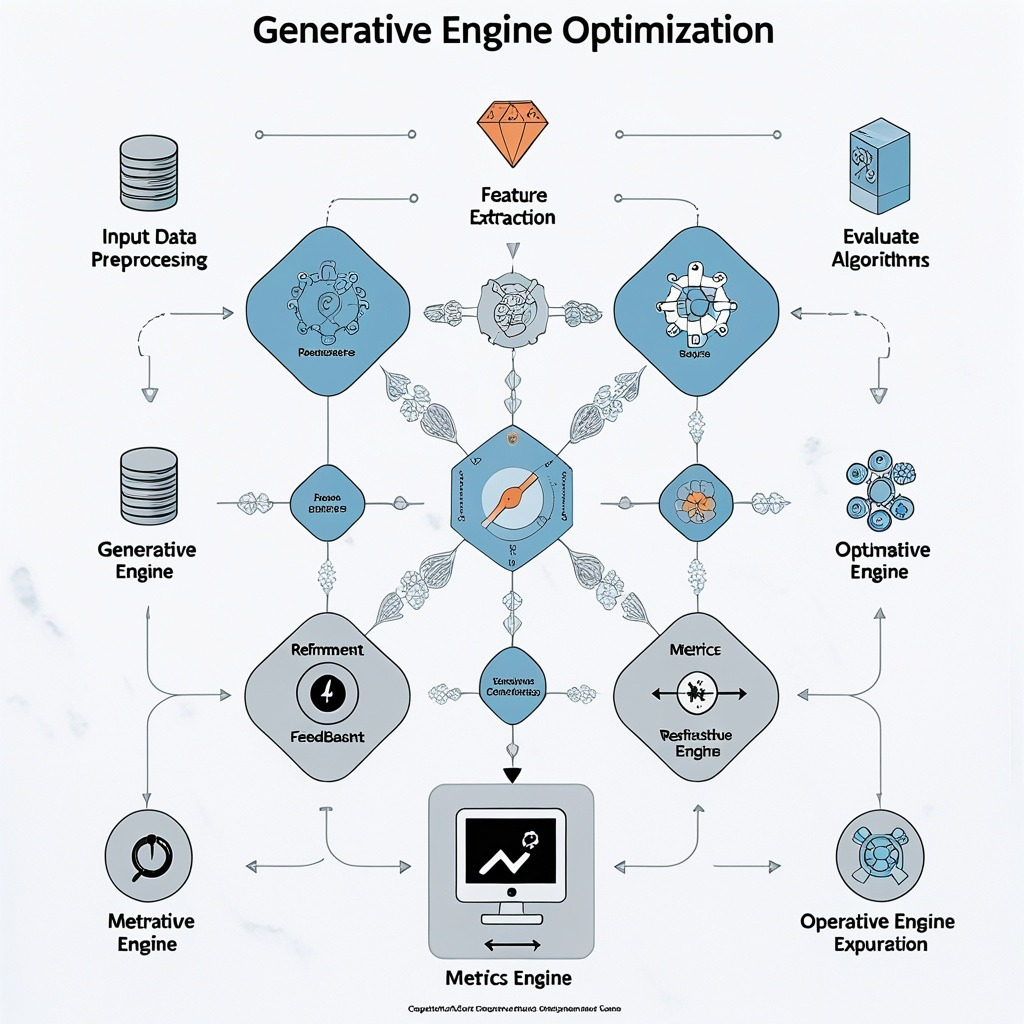
What Is Generative Engine Optimization (GEO)?
Generative Engine Optimization (GEO) is the process of structuring and refining content so that generative AI engines pull your information when crafting responses to user prompts.
While traditional SEO focuses on keyword matching, crawl budget, and backlink authority to secure blue-link positions, GEO focuses on semantic clarity, citation potential, entity relationships, and factual density.
Traditional SEO vs. Generative Engine Optimization (GEO)
Understanding how AI models process information helps you adapt your content strategy:
| Optimization Factor | Traditional SEO | Generative Engine Optimization (GEO) |
| Primary Goal | Rank on page 1 of search engine results | Earn citations & references inside AI syntheses |
| Discovery Mechanism | Web crawlers indexing HTML pages | Retrieval-Augmented Generation (RAG) & LLM training |
| Content Structure | Keyword-optimized headings & long text | Concise answer blocks, statistics, & clear facts |
| Key Metric | Organic clicks & impression share | Brand mentions, citation frequency, & referral traffic |
| Authority Indicator | Backlink profile & domain rating | Entity recognition, Schema markup, & source agreement |
4 Steps to Optimize Your Content for AI Engines
1.Adopt the BLUF Method (Bottom Line Up Front):Help AI models extract direct answers effortlessly.
Generative engines use Retrieval-Augmented Generation (RAG) to scan web pages for direct answers. Place a 2 to 3-sentence summary immediately following your headings before diving into detailed explanations. Clear, concise statements increase the likelihood of an AI engine selecting your snippet as a source.
2.Implement Comprehensive Schema Markup:Remove ambiguity around your brand, products, and concepts.
Structured data acts as a translator for AI algorithms. Use JSON-LD Schema (such as Article, FAQPage, Product, and Organization) to explicitly declare entities, authors, dates, and key facts. This helps LLMs connect your brand directly to specific industry topics.

Recommended Hosting: If you're looking for an affordable, super-fast host with outstanding uptime and 24/7 support, we recommend Hostinger.
3.Include Original Data, Quotes, and Statistics:AI engines prioritize hard facts over generic opinions.
LLMs are trained to value verifiable, high-density factual information. Incorporate unique data points, expert quotes, case study results, and precise numbers into your articles. Studies show that content containing hard data receives significantly higher citation rates in AI responses.
4.Strengthen Cross-Web Entity Authority:Establish consistency across third-party platforms.
Generative models pull background knowledge from across the web to verify authority. Ensure your brand, key personnel, and core services are mentioned consistently across Wikipedia, Crunchbase, industry trade publications, and authoritative directories.
Read Also: Master Search Intent: How to Rank #1 in Organic Search
Frequently Asked Questions
Q: Will GEO render traditional SEO obsolete?
No. GEO builds on top of technical SEO foundations. AI models still rely on fast, crawlable, and indexable web pages to retrieve real-time information via RAG pipelines.
Q: How can I track traffic originating from AI search engines?
Monitor referral paths in Google Analytics 4 (GA4) from domains like
chatgpt.com,perplexity.ai, andclaude.ai. For Google AI Overviews, track impression and click data through Google Search Console performance reports.
Key Takeaway
As AI search engines continue to reshape how users find information, winning search visibility requires more than targeting high-volume keywords. By structuring your content around factual accuracy, clear entity relationships, and skimmable answer blocks, you position your site to become a primary reference for generative search engines.
Want 100% Free SEO Tool? Visit seootool.com










Rickyh Style School Backpack Travel Bag for Men & Women Lightweight College